Handwriting
Handwriting Lead: Mrs Sefton
Our Handwriting Vision:
At Joseph Turner, our vision is that every child develops the confidence, skill and pride to produce clear, legible and fluent handwriting. We want children to enjoy writing, feel proud of their work and be able to write well across the curriculum. By beginning with strong foundations in handwriting in EYFS and KS1, we aim for all children to make good progress in handwriting, giving them the tools to be able to communicate effectively and present their learning with confidence.
What is taught and how?
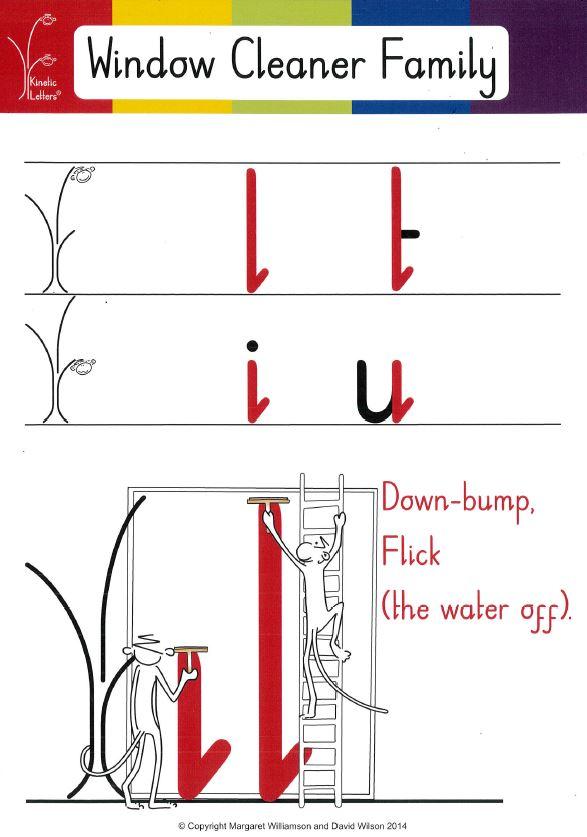
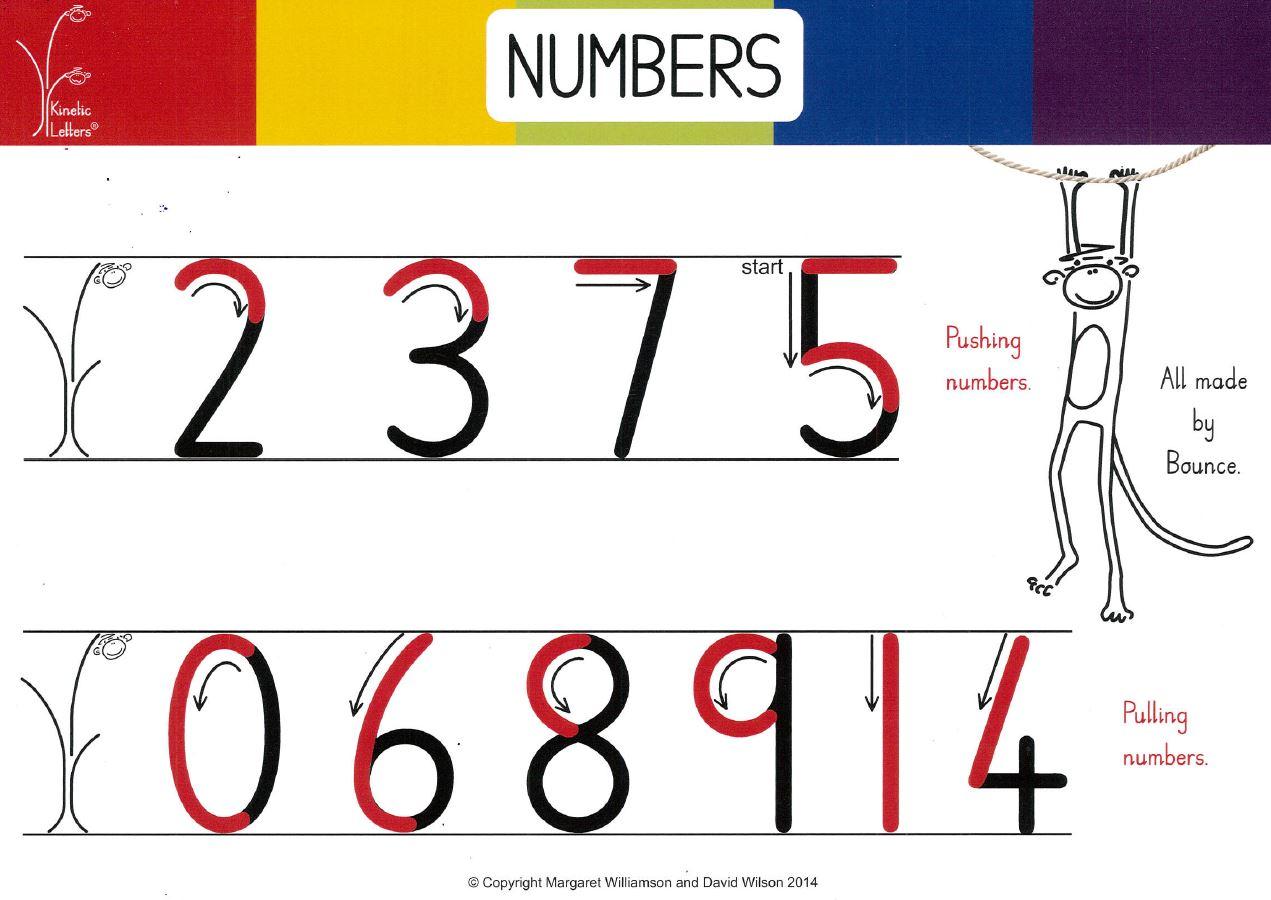
Our handwriting curriculum follows the National Curriculum and uses the Kinetic Letters scheme to ensure a consistent, structured approach. Kinetic Letters teaching is underpinned by four main threads of:
• Making bodies stronger,
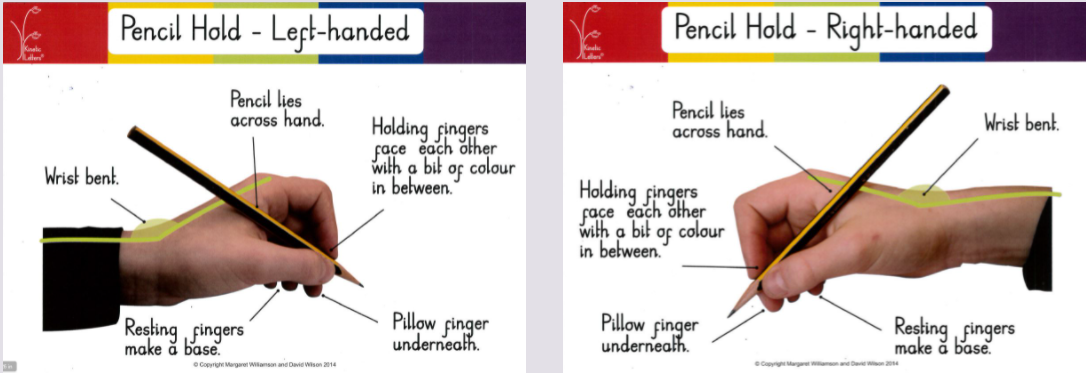
• Holding the pencil,
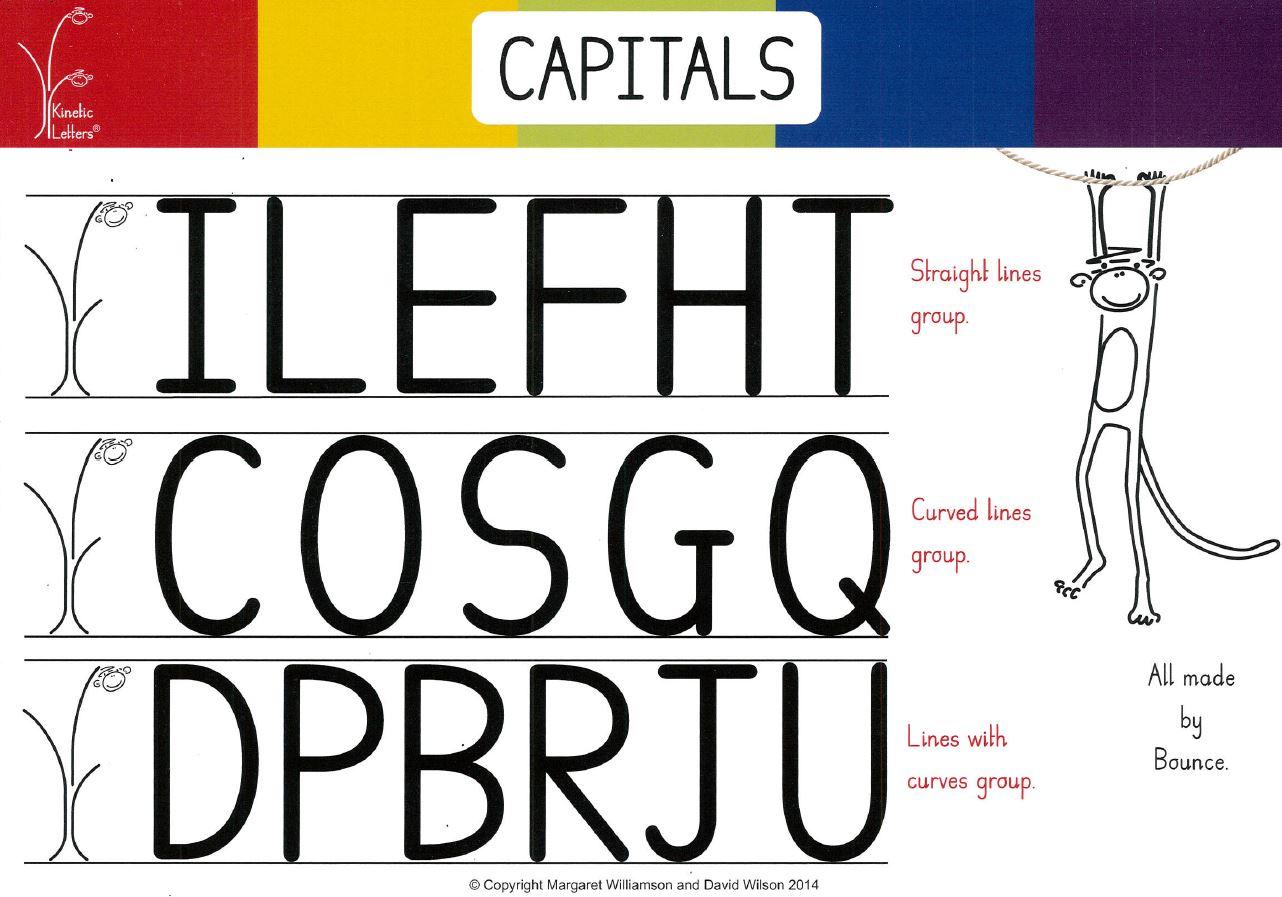
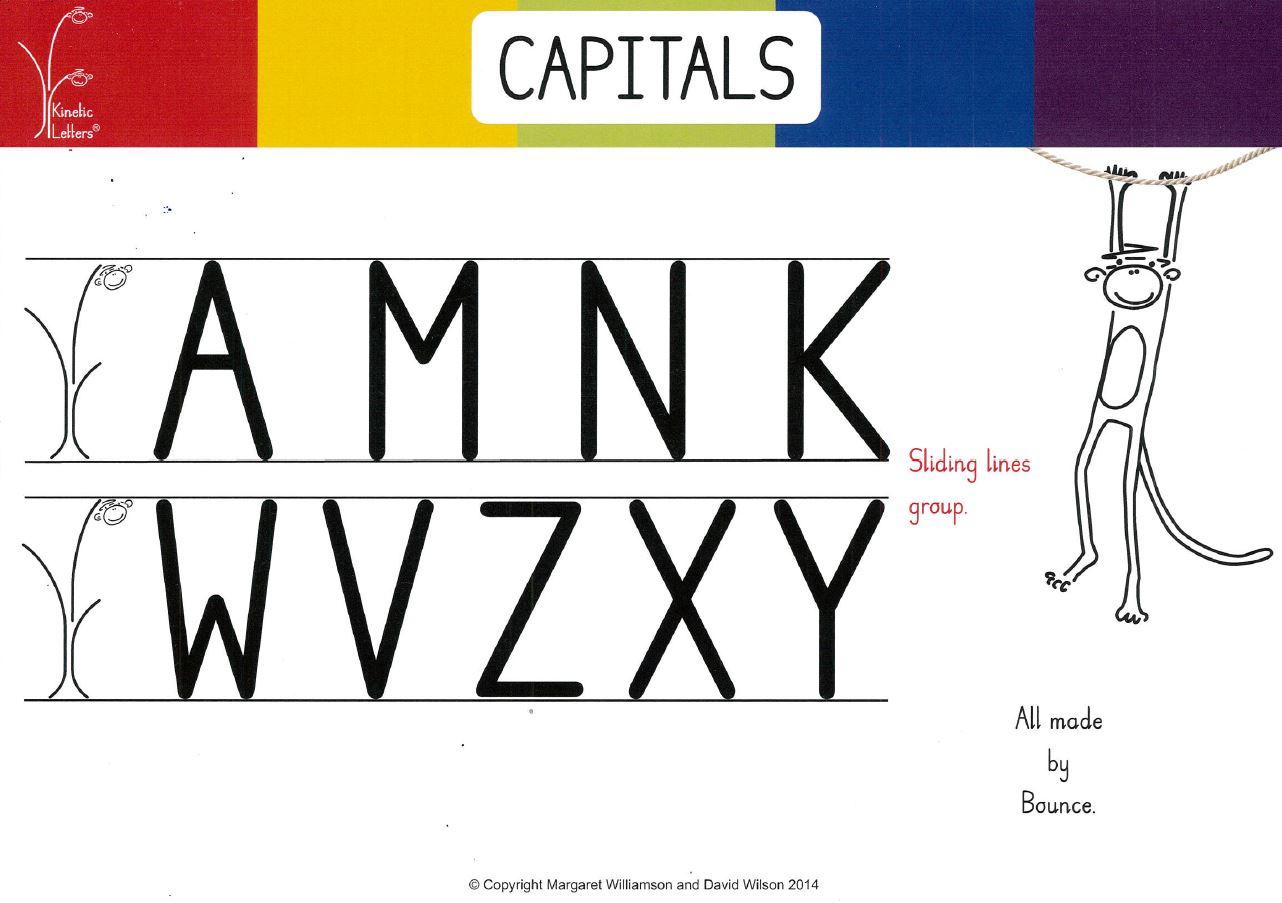
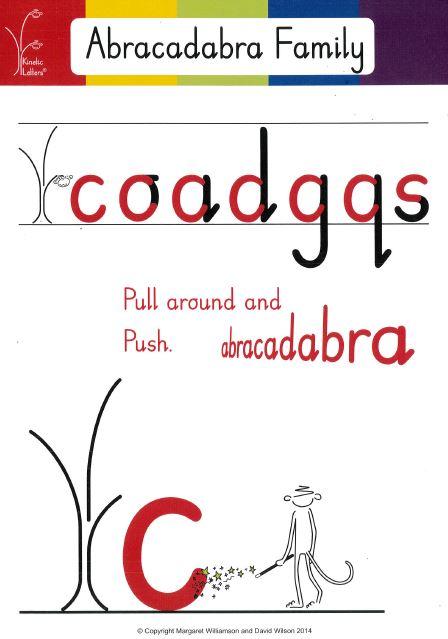
• Learning the letters, and
• Flow and fluency
It enables children to develop legible handwriting that is produced quickly and automatically. With the development of automaticity, handwriting becomes a valuable tool and not a hindrance to learning.
Strength: Writing is a fine finger operation; children must have core body and arm strength to be able to control their fingers precisely.
Pencil hold: The pencil/pen grip must be comfortable to allow writing for long periods (eg exams often last for hours). Pens and pencils with a triangular cross-section assist in developing the correct hold.
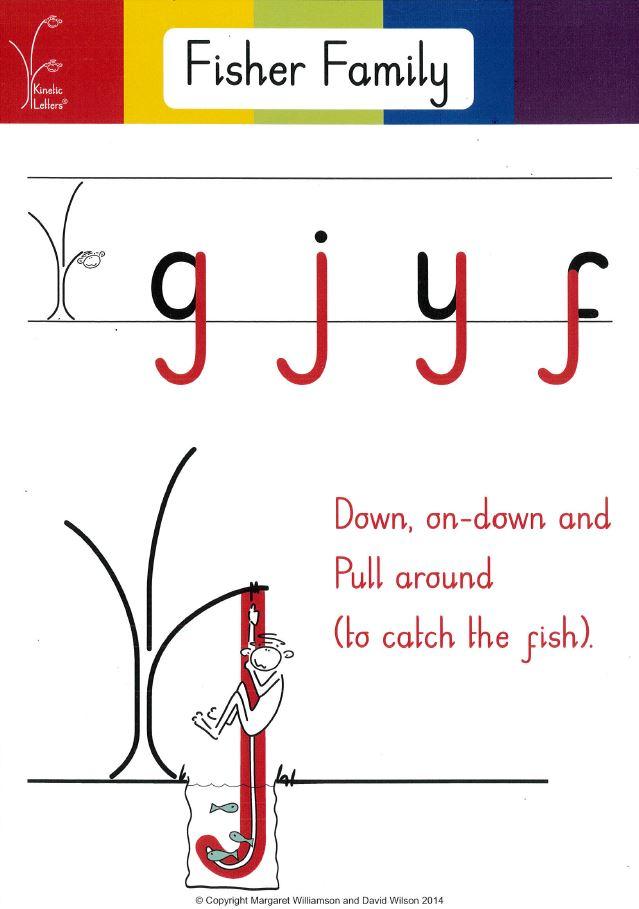
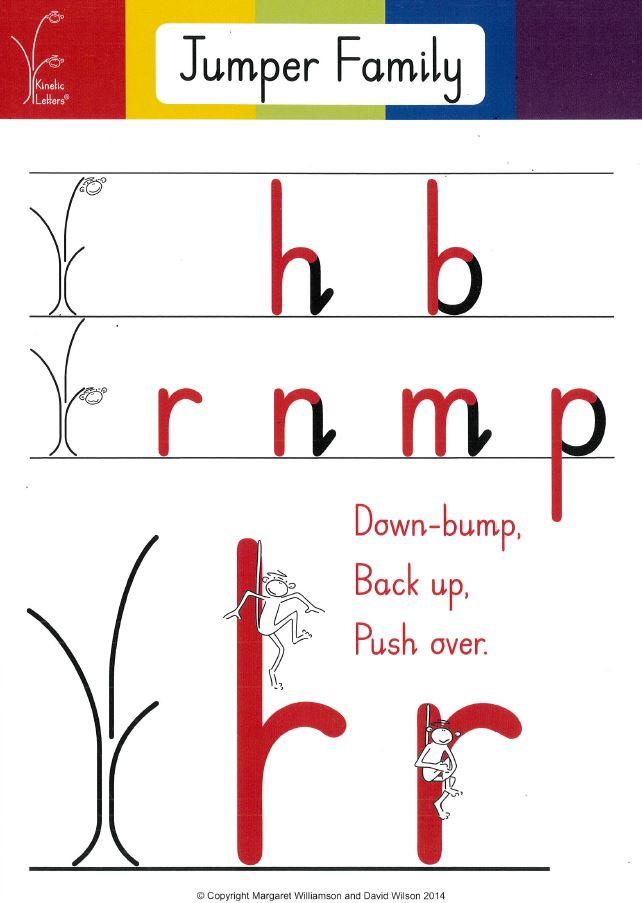
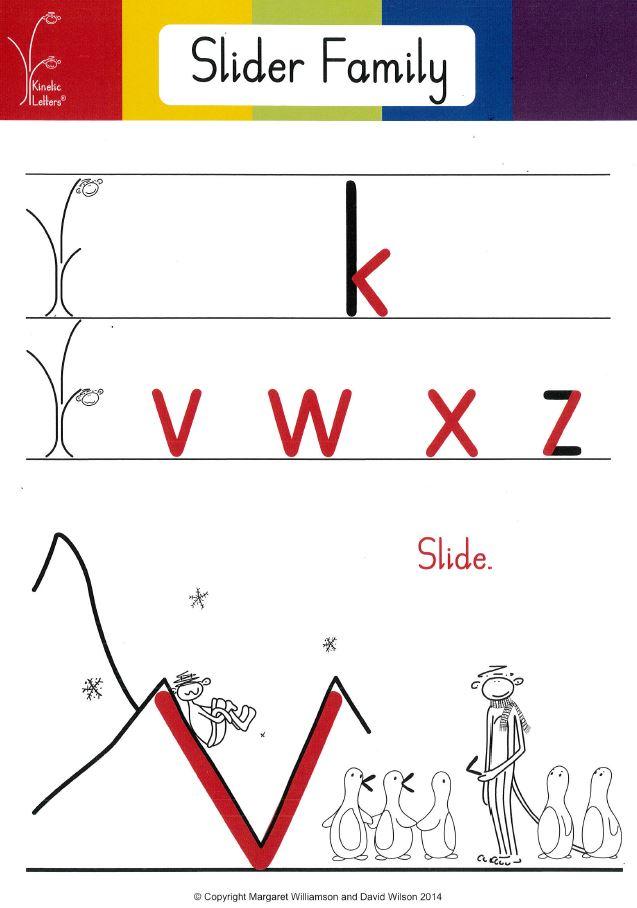
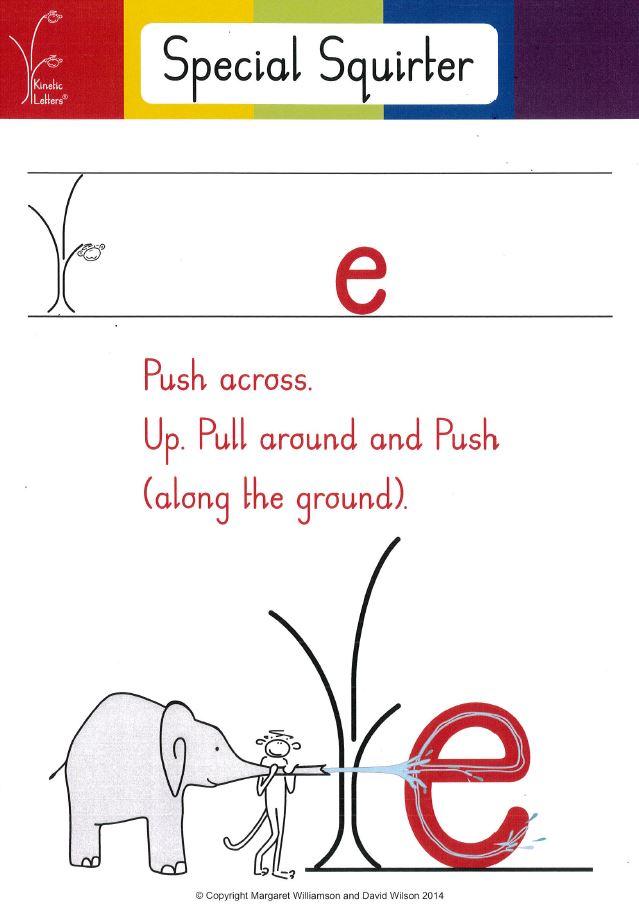
Letter formation: The movements to form the letters begin with whole body movements and progress through writing in sand trays to writing on whiteboards and finally writing on paper. In Kinetic Letters®, all the letters and numbers are formed by one of two monkeys, a brave one (Bounce) who goes to the top branch of the tree, and a scared one (Skip) who goes to the lower branch.
Flow and fluency: Letter movements are minimised to help a fast writing style to develop. There are no lead-in strokes (a waste of time and effort).
Handwriting is taught four times per week using the Kinetic Letters approach, which provides a clear, sequential framework for letter formation and joining. Lessons include teacher modelling, guided practice and independent writing. Children practise letter patterns, entry strokes, and joins using multi-sensory activities such as air writing, sand trays, and pattern tracing. In EYFS, the focus is on building fine motor control and mark-making, while KS2 pupils consolidate consistent, joined handwriting. The structured approach ensures children progress steadily, with each stage building on prior skills.
Impact – What impact does our handwriting curriculum have on pupils?
Through this approach, children develop legible, fluent handwriting from EYFS through KS2. Early support ensures strong foundations in letter formation, joins, and spacing, developing automaticity, which supports confident writing across the curriculum. Pupils take pride in their presentation and are motivated by the pen licence, which recognises consistently neat and joined handwriting.
Take a look at our handwriting...
Content coming soon
Support At Home